
Support Alexis Midwifery Journey!
Alexis’ Midwifery Journey
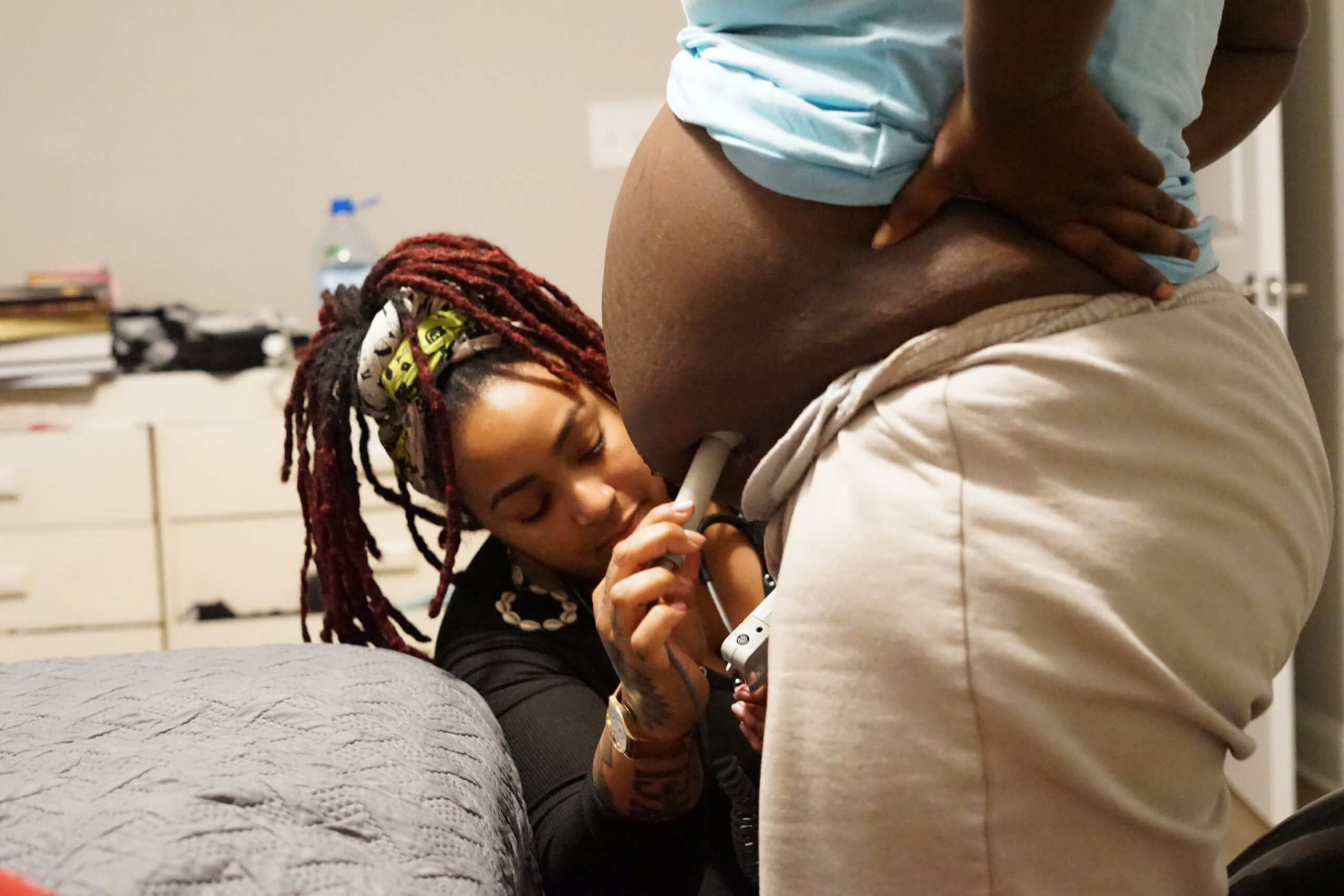
Alexis Alsup is a birth worker, community advocate, and student midwife rooted in the tradition of culturally grounded, community-centered care. Her journey into midwifery is deeply connected to the history, resilience, and wisdom of Black birth workers who have long supported families through pregnancy, birth, and postpartum care.
Through her work, Alexis is committed to addressing racial disparities in maternal health by centering Black families, honoring ancestral knowledge, and supporting birth experiences grounded in dignity, safety, and informed choice.
As she continues her midwifery education, Alexis remains dedicated to serving her community and contributing to a future where Black mothers and families receive the care they deserve.

The Legacy of Black “Granny” Midwives
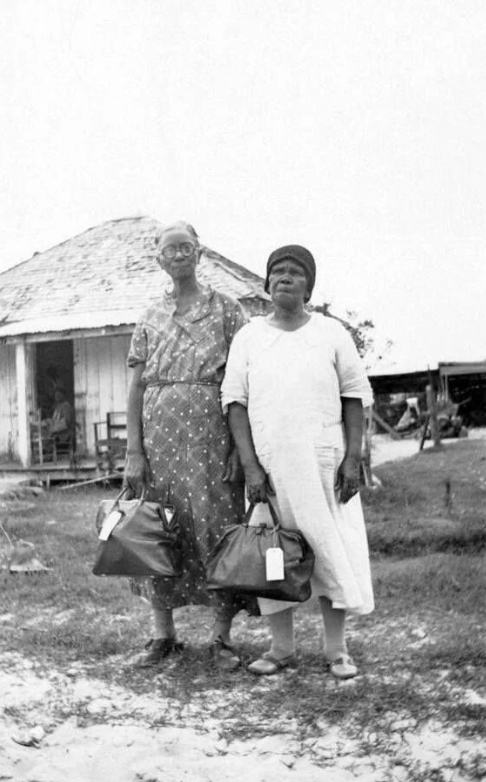
Black midwives — often known as “Granny” midwives — were foundational to the health, survival, and well-being of Black families from slavery through the mid-20th century. In many communities, particularly across the rural South, they were the primary providers of pregnancy, birth, and postpartum care at a time when access to formal healthcare was limited or denied.
These midwives offered holistic, relationship-centered care rooted in ancestral knowledge, traditional healing practices, and skills passed down through generations. Beyond attending births, they served as trusted caregivers, educators, and advocates — deeply woven into the fabric of their communities.
Honoring the legacy of Black “Granny” midwives is essential to understanding the power and importance of midwifery today. Modern Black midwives continue this tradition by providing culturally grounded care that centers dignity, autonomy, and community trust. Supporting Black student midwives helps preserve this lineage and ensures that future generations have access to care that is both clinically skilled and culturally responsive.

Racial Disparities in
Maternal Health
Today, Black women in the United States face disproportionately high rates of maternal mortality and morbidity. Black mothers are three to four times more likely to die from pregnancy-related complications than their white counterparts.
Historically, limited access to quality healthcare, combined with systemic racism within medical institutions, has fueled this ongoing crisis. Midwives — particularly Black midwives — play a critical role in addressing these disparities by providing personalized, community-based care that builds trust and responds to the specific needs of Black mothers.
Supporting Black student midwives is an investment in reducing maternal health disparities and improving maternal outcomes in Black communities.

The Marginalization and Revival of Black Midwifery
During the mid-20th century, the medicalization of childbirth and the shift toward hospital-based births led to the systematic marginalization of midwives, with Black midwives disproportionately impacted. Restrictive regulations, racism, and exclusionary policies pushed many Black midwives out of practice, despite their deep community trust and proven outcomes.
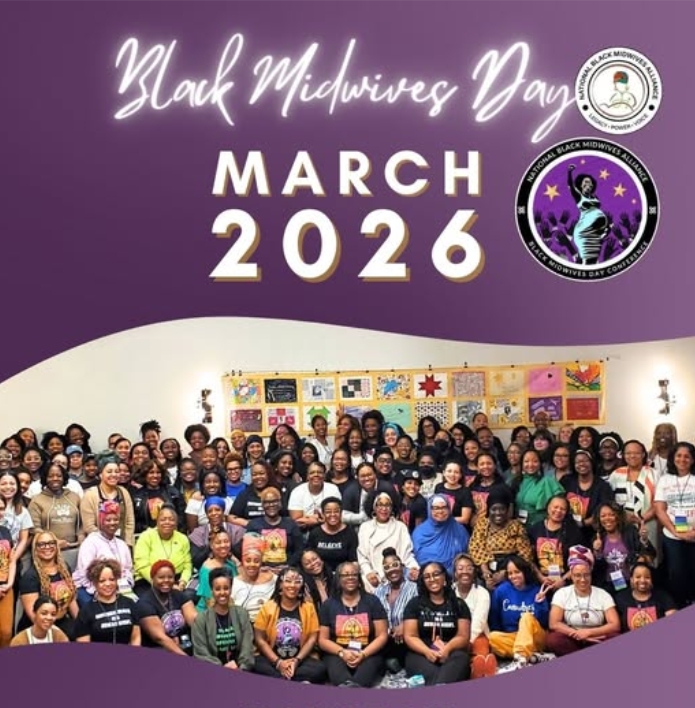
Today, there is a growing revival of Black midwifery, driven by the maternal health crisis and the urgent need for culturally responsive, community-based care. Black midwives are reclaiming their role as essential healthcare providers, offering relationship-centered care that honors tradition, autonomy, and lived experience.
However, significant barriers remain. The path to becoming a midwife is often financially inaccessible, with high costs associated with education, clinical training, supplies, and certification. Supporting Black student midwives is a critical step in addressing this legacy of exclusion and ensuring that more Black midwives can enter and remain in the profession — strengthening care for the communities they serve.